In the rapidly evolving packaging industry, the design of collapsible boxes is becoming increasingly important. As stakeholders look for efficiency and sustainability, innovations in this area are essential. John Harrison, a leading expert in packaging design, once remarked, "The future of packaging lies in our ability to adapt and innovate, especially with collapsible boxes."
Collapsible boxes not only save space but also reduce transportation costs. They have become a preferred choice for many businesses aiming to streamline their operations. However, as the market grows, so do the challenges. There is a need to balance functionality with aesthetic appeal. Buyers often face dilemmas in selecting the right design that meets their operational needs while ensuring visual impact.
The trends for 2026 highlight the importance of sustainability and user experience. Designers are exploring new materials that are both eco-friendly and functional. Yet, some designs may overlook adaptability for different products. Reflecting on these trends can lead to better choices for buyers. The collapsible box market is on the brink of major changes, and staying informed is crucial for success.
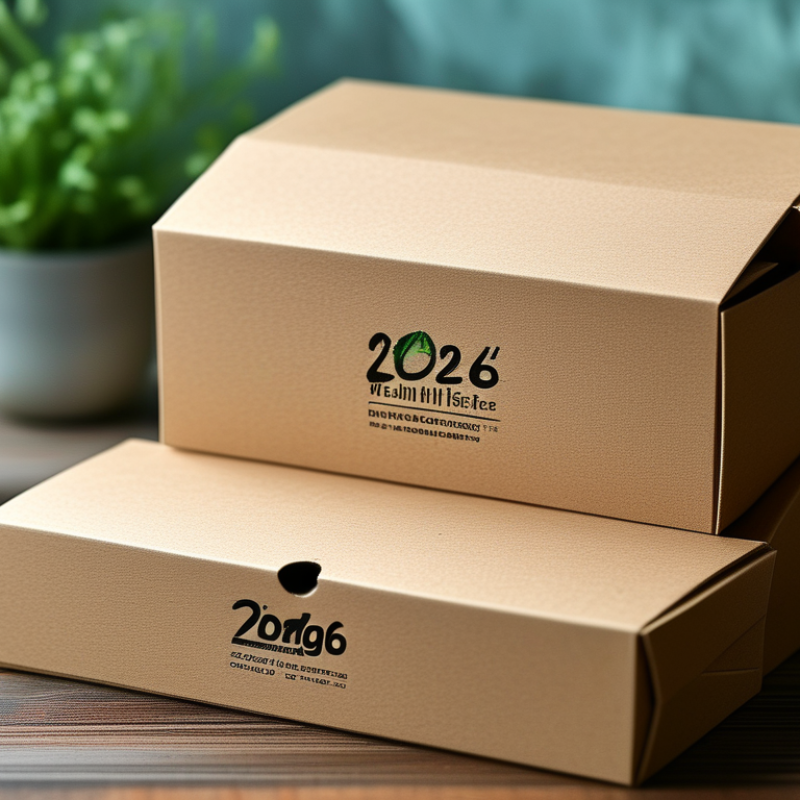
As we look toward 2026, the emphasis on sustainable practices impacts collapsible box design significantly. The rise of eco-friendly materials plays a vital role in these trends. According to a recent industry report, 70% of designers are incorporating biodegradable materials into their packaging solutions. This shift reflects a broader commitment to environmental responsibility, but it raises questions about durability and performance.
Biodegradable plastics, such as polylactic acid (PLA), offer lightweight options. However, their resistance under varied conditions remains a concern. Designers face the challenge of balancing sustainability with functionality. While these materials break down more easily, ensuring they meet user needs is essential.
Moreover, innovations in plant-based fibers like hemp and bamboo are under exploration. These materials promise enhanced strength and reduced environmental impact. Although promising, the current supply chain for these fibers is inconsistent and can lead to higher production costs. Striking the right balance between cost, sustainability, and functionality is a pressing issue for manufacturers and designers alike. The expectation is that by 2026, significant advancements will emerge, ensuring collapsible boxes are both eco-friendly and robust.
Innovative structural features are revolutionizing collapsible box design, enhancing both flexibility and durability. A recent industry report highlighted that collapsible packaging can reduce shipping costs by up to 30%. As consumer preferences shift towards sustainability, companies are seeking designs that save space and materials.
One notable trend is the incorporation of advanced materials like reinforced polypropylene. These materials offer strength while remaining lightweight. Research indicates that boxes made from such materials can withstand impacts better than traditional cardboard. This leads to fewer damaged goods during transit, ultimately benefiting companies and consumers alike.
Moreover, designs that allow for easier assembly and disassembly are gaining traction. User-friendly features not only improve efficiency but also cater to a growing demographic that values convenience. However, some designs complicate recycling processes. The balance between innovation and sustainability remains a challenge. It highlights the need for continuous improvement in the design process. As the industry evolves, addressing these trade-offs will be crucial.
The trend towards sustainability shapes collapsible box design profoundly. Recent studies reveal that 75% of consumers prefer eco-friendly packaging. This growing preference impacts how companies select materials and design their boxes. The emphasis is on renewable resources, reducing carbon footprints, and embracing circular economies.
Materials like recycled paper and bioplastics are gaining traction. They not only minimize environmental impact but also often reduce costs in the long run. Yet, challenges remain. Not all manufacturers have access to sustainable materials. The shift towards eco-friendly options requires time and investment. This transition may cause initial price hikes, possibly discouraging some buyers.
Design functionality should not compromise sustainability. A well-designed collapsible box must balance usability and eco-friendliness. Flimsy designs fail to meet quality expectations. Sustainability in packaging is not a one-size-fits-all solution. Brands must continually reassess their materials and designs to keep pace with evolving consumer expectations.
In recent years, consumer preferences have significantly influenced collapsible box design aesthetics. A survey by Packaging Insights found that 72% of consumers prioritize eco-friendly designs. This trend reveals a growing demand for sustainable materials. However, manufacturers often struggle to balance aesthetics with functionality and sustainability.
The rise of minimalist design, with clean lines and muted colors, resonates with today's consumers. Research indicates that 68% of buyers prefer simple and elegant packaging. Yet, this simplicity can lead to challenges in brand differentiation. Some companies may overlook the importance of unique design elements, which can diminish brand recognition in a crowded market.
Moreover, studies show that 55% of consumers appreciate innovative features, like easy assembly and storage. While these features enhance usability, they can complicate the design process. Companies must continuously adapt, reflecting both aesthetic preferences and practical needs, ensuring that their packaging not only looks good but also performs effectively. The future of collapsible box design is a constant balancing act between beauty, sustainability, and functionality.
The future of collapsible box design is heavily influenced by technology integration. Smart collapsible boxes are becoming essential for various industries, from retail to logistics. These boxes now feature sensors and IoT capabilities, allowing for real-time monitoring. Shippers can track the condition of their goods easily. This data helps prevent damage and loss during transport.
Users appreciate the convenience of folding boxes that adapt to their needs. For instance, some designs incorporate temperature control features. These innovations are vital for perishable items, ensuring freshness during transit. However, there’s still a challenge in balancing cost and functionality. Not all companies can afford high-tech solutions. Designers must think creatively to make these technologies accessible.
Another area for improvement is the user interface. While many smart boxes function well, the user experience can be complex. Some users struggle with apps and connectivity. Simplifying these processes will enhance overall satisfaction. Clear instructions and intuitive designs are crucial. Addressing these issues will foster trust in smart collapsible box solutions.
| Trend | Description | Technology Integration | Benefits | Projected Impact (2026) |
|---|---|---|---|---|
| Smart Sensing Technologies | Incorporating sensors to track box contents and conditions. | IoT Integration | Improved tracking and inventory management. | High |
| Modular Design | Boxes can be adjusted in size and shape based on needs. | Adaptive Technology | Flexibility and efficiency in shipping. | Medium |
| Eco-Friendly Materials | Use of sustainable materials for production. | Biodegradable Technology | Reduction of carbon footprint. | High |
| Augmented Reality (AR) Assistance | Using AR to visualize box contents and optimize space. | AR Software | Enhanced user experience and better decisions. | Medium |
| Blockchain for Security | Using blockchain for secure tracking of box movement. | Blockchain Technology | Increased security in logistics. | High |
: They enhance flexibility, reduce shipping costs, and improve durability.
It can reduce costs by up to 30%.
Advanced materials like reinforced polypropylene are popular for their strength.
They improve efficiency and cater to consumers valuing convenience.
Balancing innovation with sustainability can complicate recycling processes.
They feature sensors for real-time monitoring, preventing damage and loss.
Temperature control features help maintain freshness during transport.
Some struggle with complex user interfaces and connectivity issues.
By simplifying processes and providing clear instructions.
It addresses trade-offs between innovation, cost, and sustainability.
The article "Top 2026 Trends in Collapsible Box Design for Buyers" explores the latest advancements set to shape the future of collapsible box design. It emphasizes the emergence of innovative materials that enhance the strength and functionality of these boxes, making them more flexible and durable. Additionally, the article highlights sustainability trends influencing consumer choices, reflecting a growing preference for eco-friendly design practices.
Consumer aesthetics play a significant role in the evolution of collapsible boxes, as buyers increasingly seek visually appealing products that do not compromise on utility. Furthermore, the integration of technology in smart collapsible box solutions marks a notable shift, allowing for enhanced user interaction and efficiency. Overall, these trends highlight a dynamic landscape for collapsible box design, prioritizing durability, sustainability, and consumer engagement for 2026 and beyond.

NSW Printing