China Best Book Shape Box Supplier for Wholesale Buyers?

Time:2026-11-03 Author:Isabella
0%

Wholesale buyers comparing China’s book-style packaging suppliers need more than an attractive sample. A Book Shape Box should open smoothly, protect its contents, and reflect the product’s value. Check the board thickness, wrap alignment, hinge movement, and magnetic closure. Ask for a physical sample before approving a large order. Small flaws matter.

Packaging specialist Elena Zhou puts the principle simply: “A book-style box must feel considered before the customer even sees what is inside.” Buyers should also compare print consistency, customization options, production capacity, lead times, and export packaging. Request clear specifications, a written quotation, and photos of finished boxes. These details make supplier comparisons more practical.

Price still matters. But the cheapest quote may leave out sampling, inserts, or sturdy outer cartons. No supplier is perfect, and a polished website proves little on its own. That deserves a second look. This guide explains how wholesale buyers can assess Chinese suppliers, spot useful quality signals, and choose a Book Shape Box manufacturer with realistic expectations. Verify claims directly, and put key requirements in writing.
China Best Book Shape Box Supplier for Wholesale Buyers?

What Book-Shaped Boxes Are and How Wholesale Buyers Use Them

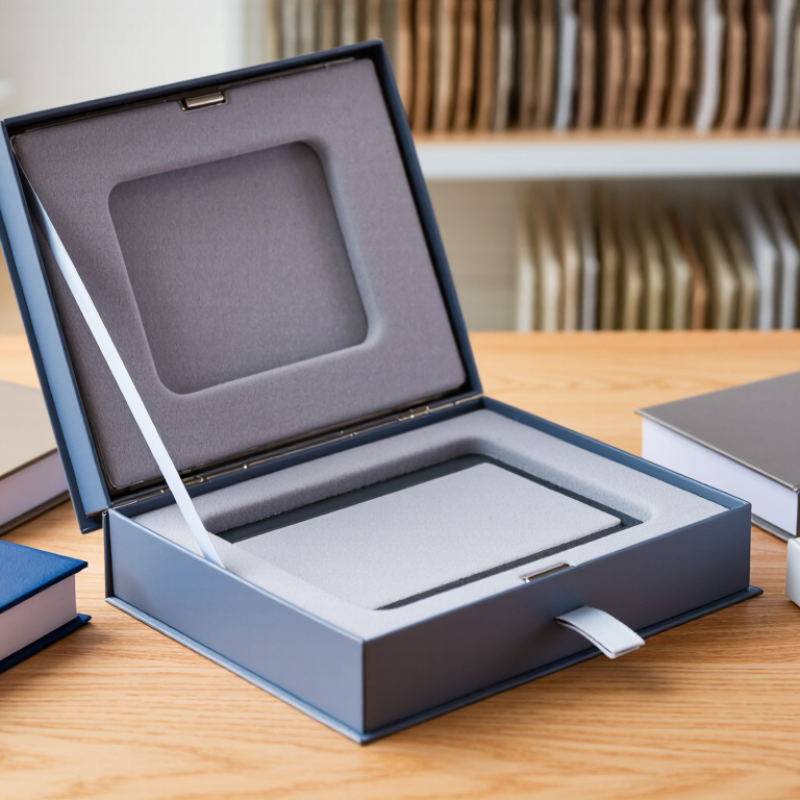
Book-shaped boxes are rigid or folding cartons designed with a spine-like edge and a front panel that resembles a closed book. They may open with a lift-off lid, hinge, or magnetic flap. The shape gives products a distinctive shelf presence, while the interior can hold one item or a small set. Wholesale buyers use them for stationery, accessories, welcome kits, and gift collections. They can also suit seasonal launches, when a recognizable silhouette helps customers browse a display.

Before requesting quotes, define product dimensions, order quantity, and packing method. A box that looks elegant but leaves too much empty space may need extra filler and increase shipping volume. Ask for a physical sample with the intended insert. Check the lid fit, corner strength, print alignment, and how quickly staff can pack it. These details matter for repeat orders. A sample cannot predict every production variation, so confirm tolerances and approve a pre-production unit when consistency is important.

Tips: Measure the product at its widest points, including protective wrapping. Specify the spine width in the artwork, then test one packed box for scuffing during transit. Keep the insert simple if products change often; custom cavities can become outdated. It is easy to overdesign this format. A quieter finish may work better.

How to Assess Chinese Book-Shaped Box Suppliers

Choosing a Chinese book-shaped box supplier takes more than comparing unit prices. Ask how the box is built: board thickness, wrap material, spine construction, and closure type. Details matter. A hinged lid may look elegant, yet open unevenly if the spine is too tight. Request a physical sample, then open and close it repeatedly. Check the corners, edges, lining, and whether the lid stays aligned.

A sample is only a starting point. Ask for a written specification covering dimensions, materials, print finish, acceptable color variation, and packing method. Ask for proof. Compare the approved sample with a production sample when possible, and clarify how defects are recorded. I would not pretend one sample tells the whole story. Still, a perfect sample can create false confidence if production controls are vague.

Assess communication as carefully as craftsmanship. A dependable supplier answers technical questions clearly, flags limitations, and gives realistic lead times. Request details about inspection steps, order capacity, and carton protection during transit. Compare quotes line by line; a low price may exclude inserts, setup, or protective packaging. If the supplier cannot explain a cost, pause and ask again. Sometimes I focus too much on finish quality; delivery consistency deserves equal attention. Before placing a larger order, start with a modest run and document what needs improvement.

Which Materials, Finishes, and Customization Options to Compare

For wholesale buyers, a book shape box needs more than a convincing cover. Its board, wrap, and closure should suit the product’s weight and shipping route. Rigid greyboard offers a firm structure, while wrapped paper provides room for detailed printing. Corrugated board may help when transit protection matters more than a slim profile. Ask suppliers to specify board thickness and share a physical sample. Small differences can change the feel.

Finishes shape both appearance and handling. Matte lamination reduces glare and gives printed colors a muted look; gloss makes colors appear brighter but can show fingerprints. Soft-touch coating feels smooth, though it may mark more easily during packing. Foil stamping and embossing can highlight a title or border without covering the whole surface. Keep the details restrained. Too many effects can make the box feel crowded.

Customization should include the spine width, opening direction, closure, and insert—not only the artwork. A ribbon pull or magnetic flap may improve access, but each adds cost and affects assembly. Check that the insert holds the item snugly without forcing it against the lid. Request a pre-production sample and confirm color, fit, and finish under ordinary indoor light. One imperfect detail is useful to catch early. A sample still cannot predict every production variation, so agree on acceptable tolerances before ordering in bulk.

China Best Book Shape Box Supplier for Wholesale Buyers?

Compare board materials, finishes, and customization options before choosing a supplier.

Typical thickness ranges vary by grade and supplier. Rigid greyboard is commonly used for premium book-style boxes; E-flute adds cushioning, while folding carton board is lighter. Also compare wrap paper, matte or gloss lamination, foil stamping, embossing, and custom inserts. Confirm exact material specifications with each supplier.

How to Check Supplier Quality, Compliance, and Production Capacity

A book-shape box should feel consistent, not just attractive in a sales photo. Request a production sample and check board thickness, wrapped-paper alignment, corner folds, and how the lid sits. Small details matter. Open and close several boxes; loose edges or uneven gaps may appear only after repeated handling. A single pass-or-fail score can be too neat, since defects vary across a batch.

Ask the supplier for material specifications and relevant test records, including information about inks, coatings, and paper sources. Confirm that documents match the materials used in your order, not an older sample. Requirements differ by destination and product use, so verify them with your own compliance team. Ask for evidence. If a certificate cannot be linked to a specific material or batch, treat it as an open question, not proof.

Production capacity needs evidence beyond a machine list. Request a schedule showing sample approval, printing, box forming, inspection, and packing dates. Ask how many similar boxes the workshop is making during the same period, and which step could slow output. A small pilot order can reveal more than a confident promise. Still, one successful run does not guarantee the next will match; keep inspection criteria and approved samples in writing.

China Best Book Shape Box Supplier for Wholesale Buyers? - How to Check Supplier Quality, Compliance, and Production Capacity

Evaluation Area What to Check Evidence to Request Practical Buyer Check
Supplier identity and facility Confirm the legal entity, manufacturing address, and whether the quoted work is made in-house or subcontracted. Business registration details, facility address, production-floor photos or video, and a written subcontracting disclosure. Match the entity and address across the quotation, contract, invoice, and factory records. Arrange a live video call or independent factory audit when appropriate.
Book-shape box construction Check board type and thickness, wrap material, spine and hinge construction, internal tray, and opening and closing performance. Material specification, construction drawing, approved physical sample, and sample inspection record. Approve a production-representative sample. Check that the lid aligns, the spine opens cleanly, edges are covered, and the contents fit without excessive movement.
Material and print quality Verify paper or board grade, surface finish, color expectations, coating or lamination, and artwork version control. Material data sheets, color proof, print sample, approved artwork file record, and documented inspection criteria. Agree on measurable acceptance criteria before production. Compare bulk samples with the signed-off reference under consistent lighting.
Quality management Review how the supplier controls incoming materials, in-process work, final inspection, defects, and corrective actions. Quality-control procedure, inspection checklist, sample inspection records, and corrective-action examples with sensitive details removed. Ask how defects are recorded, contained, and prevented from recurring. If a supplier presents an ISO 9001 certificate, verify its validity, scope, and issuing certification body; certification alone does not guarantee product quality.
Product safety and market compliance Identify the destination market, intended use, materials, inks, coatings, and any special requirements for the product or packaging. Applicable test reports, material declarations, and written compliance statements tied to the specific materials and product specification. Define requirements with the importer or compliance specialist before ordering. For EU-market products, assess relevant REACH obligations for substances in articles; do not assume one generic test report covers every material or market.
Environmental claims Check the exact basis for claims such as recycled content, recyclability, or responsibly sourced paper. Supplier declarations, supporting material documentation, and, where a certification claim is made, valid chain-of-custody documentation. Verify that evidence covers the specific material and supply chain. Treat environmental claims as market- and product-specific, not as automatic proof of overall compliance.
Production capacity Assess available equipment, staffing, production stages, current workload, and realistic output for the requested box design and order quantity. Production flow, equipment list, recent capacity plan, and a schedule showing sample, production, inspection, and packing stages. Ask for capacity specific to your construction and order quantity. Compare the proposed schedule with the supplier’s stated workload and confirm whether any stages are outsourced.
Lead time and delivery planning Separate sample development, material procurement, mass production, inspection, and shipping time. Milestone-based production schedule, material availability confirmation, and agreed shipping terms. Set written approval points and deadlines. Clarify whether the quoted lead time starts after artwork approval, deposit, or material confirmation.
Order quantity, tooling, and cost Review minimum order quantity, setup or tooling charges, sample fees, unit-price breaks, and costs for specification changes. Itemized quotation, tooling ownership terms, sample-cost policy, and written pricing assumptions. Compare like-for-like specifications and quantities. Confirm which costs are one-time and which may recur on repeat orders.
Inspection and defect handling Agree on inspection timing, sampling method, acceptance criteria, defect categories, and remedies for nonconforming goods. Inspection plan, pre-shipment inspection report, defect classification, and written rework or replacement terms. Define inspection requirements in the purchase contract. Use an independent inspection service when order value or delivery risk justifies it.
Packaging and shipment protection Check inner protection, carton strength, packing quantity, labeling, and suitability for the shipping route. Packing specification, carton dimensions and gross weight, packing photos, and shipping marks. Review a packed sample or packing photos before dispatch. Confirm that packaging protects corners, surfaces, and box edges during handling.
Communication and change control Assess response clarity, named project contacts, approval records, and how design or material changes are authorized. Written specification, revision history, meeting notes, and a process for approving changes. Keep the approved drawing, sample, material specification, and inspection criteria attached to the order. Require written approval before substitutions or design changes.

Note: Requirements, test methods, lead times, minimum order quantities, and capacity vary by product specification, destination market, season, and supplier. Confirm all claims and acceptance criteria in writing for the specific order.

How to Compare Pricing, Minimum Orders, Samples, and Shipping

For a book-shaped box, compare like with like. Request quotes for the same dimensions, board thickness, wrap paper, insert, and finish. A lower unit price may exclude tooling, setup, or protective packing. Smithers estimated the global packaging market at about US$1.05 trillion in 2023 and forecast growth to US$1.3 trillion by 2028. This broad market figure shows the sector’s scale, not the fair price of any single box. Small details matter.

Ask suppliers to show pricing at several order quantities, including the total cost after setup fees. Check whether the minimum order applies per design, size, or artwork version. For samples, clarify whether you will receive a stock sample or a pre-production sample made to your specifications. Inspect the lid’s alignment, folded corners, surface finish, and whether the insert holds the book without pressure marks. Ask for proof. A sample is useful, but it may not reveal every production variation.

Shipping quotes need the carton dimensions, gross weight, delivery address, shipping method, and stated trade terms. Compare door-to-door costs, not just freight rates; customs handling and local delivery can change the total. Ask how boxes are packed, how many fit in each carton, and what happens if units arrive damaged. One practical caution: a supplier may give a precise estimate before the final carton plan exists. Treat that number as provisional, and request an updated quote before approving production.

FAQS

Which board should I choose for a book-shaped box?

Rigid greyboard gives the box a firm structure. Corrugated board may offer more protection during transit but creates a thicker profile. Ask for the board thickness and a physical sample.

Which finishes affect appearance and handling?

Matte lamination reduces glare, while gloss can make colors look brighter and show fingerprints. Soft-touch coating feels smooth but may mark during packing. Keep foil or embossing restrained.

What customization details should I compare?

Compare spine width, opening direction, closure, and insert, not just artwork. A ribbon pull or magnetic flap can improve access, but adds cost and assembly work.

How can I check whether the insert fits?

Place the item inside and close the lid. It should sit snugly without pressure marks. That simple check can catch a poor fit early.

What should I inspect in a pre-production sample?

Check lid alignment, folded corners, color, finish, and insert fit under ordinary indoor light. A sample helps, but it cannot reveal every production variation.

How should I compare supplier quotes?

Request quotes using the same dimensions, board thickness, wrap paper, insert, and finish. Check setup fees and protective packing too. A low unit price may hide extra costs.

What should I ask about minimum order quantities?

Ask whether the minimum applies per design, size, or artwork version. Request prices at several quantities and compare the total cost, including setup fees.

What details matter in a shipping quote?

Provide carton dimensions, gross weight, delivery address, shipping method, and trade terms. Compare door-to-door costs, including local delivery. Treat early estimates as provisional; the final carton plan may change.

Conclusion

A Book Shape Box combines the appearance of a book with the practical function of protective packaging. Wholesale buyers may use it for gifts, retail products, promotional kits, or presentation sets where a distinctive unboxing experience matters. When sourcing from China, buyers can compare suppliers by reviewing their packaging experience, communication, customization process, and ability to handle the required order volume and delivery schedule.

Before choosing a supplier, compare material options, such as paperboard and rigid board, along with finishes, colors, inserts, closures, and printing choices. Ask how quality is checked, what compliance documentation is available for the intended market, and whether production capacity can meet peak demand. Request samples to assess construction and appearance, then compare quotations alongside minimum order quantities, setup costs, lead times, packing, and shipping terms. A clear specification and a confirmed sample can help buyers make a more informed purchasing decision.

Isabella

Isabella

Isabella is a dedicated marketing professional with a sharp focus on driving brand growth and engagement through strategic content creation. With an extensive background in digital marketing, she combines her passion for storytelling with her keen understanding of industry trends to deliver......