Choosing the right Lid and Base Box for your products is essential. The right packaging can enhance product appeal and safeguard items during transportation. When selecting a Lid and Base Box, consider factors like size, material, and design. This choice can affect your brand's image and customer satisfaction.
Understanding product dimensions and weight is crucial. A poorly fitting Lid and Base Box can lead to damage and returns. Think about the unboxing experience, too. Customers appreciate attractive and functional packaging. The design should reflect your brand ethos and quality.
Some may overlook sustainable options. Eco-friendly materials are not only trendy but also increasingly in demand. However, finding a balance between aesthetics and functionality can be challenging. Reflect on past choices, and learn from any mistakes. The right Lid and Base Box can be a game changer for your products.
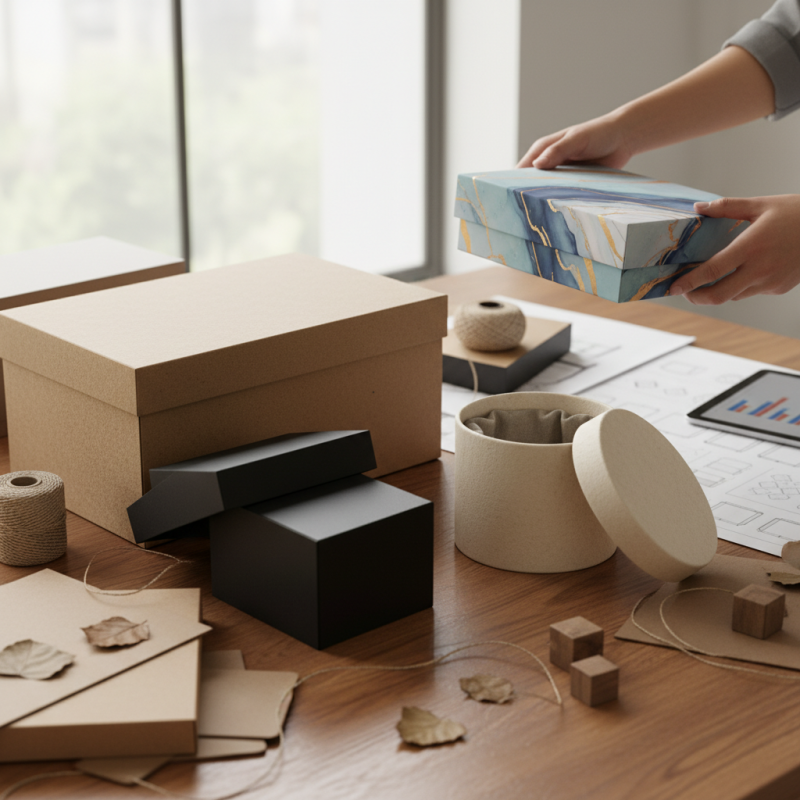
The design of lid and base boxes is crucial for product presentation and protection. According to the Packaging Association, nearly 72% of consumers make purchase decisions based on packaging. This statistic shows that the right design can elevate a product's perceived value. When selecting materials, consider durability and sustainability. Eco-friendly options can create a positive brand perception.
Furthermore, the dimensions of the box should closely fit the product. Excess space can lead to damage during transport. A well-fitted box provides better protection. Interestingly, companies that invest in high-quality packaging see a 20% increase in customer retention rates. Yet, many businesses overlook this aspect, focusing solely on cost.
Color and graphics play a significant role, too. Research shows that 93% of purchasing decisions are influenced by visual appearance. Using relevant colors that resonate with your audience can enhance engagement. However, it’s essential not to overcomplicate the design. Simplicity often speaks louder than cluttered visuals. Finding the right balance is key to effective packaging.
| Dimension | Material | Closure Type | Design Options | Sustainability |
|---|---|---|---|---|
| Small (5 x 5 x 3 in) | Cardboard | Tape | Custom print | Recyclable |
| Medium (10 x 8 x 4 in) | Plastic | Snap | Window cutout | Biodegradable |
| Large (12 x 12 x 6 in) | Wood | Hinged | Laser engraving | Renewable |
| Extra Large (15 x 15 x 10 in) | Metal | Screw | Embossed | Recyclable |
When selecting the right lid and base box for your products, understanding the specific needs of your items is vital. Different products demand varied packaging solutions. For example, fragile items may require cushioning and sturdy boxes, while cosmetics might need clear or decorative lids to enhance visibility. Research indicates that 70% of consumers prefer products with packaging that is functional yet appealing. This implies that visual appeal and usability must align closely with your product type.
Consider your primary audience. If you're packaging food items, durability and compliance with safety standards are essential. For electronics, anti-static packaging might be necessary to prevent damage. A study from the Institute of Packaging Professionals (IoPP) highlights that proper packaging can reduce damages by up to 30% during transit. When assessing the packaging needs, think deeply about both protection and presentation.
Tips: Test different lid designs to see which works best with your base box. Sometimes the most attractive lid doesn’t provide adequate protection. Always be open to exploring sustainable materials. This choice not only appeals to environmentally-conscious consumers but also aligns with industry trends that show a 15% increase in demand for eco-friendly packaging options.
Choosing the right materials for lid and base boxes is vital for product durability. According to a report by the Packaging Association, nearly 30% of product damage occurs due to poor packaging decisions. Selecting the right material helps mitigate this risk.
Corrugated cardboard is a popular choice due to its lightweight nature and structural integrity. It offers good resistance to pressure and can protect contents effectively. However, it may not withstand moisture well. For products requiring higher moisture resistance, materials like polyethylene or polypropylene are recommended. These plastics offer excellent durability and can withstand environmental challenges effectively. A recent study indicated that plastic containers can extend shelf life by 20% compared to traditional options.
Biodegradable materials are gaining traction. They provide an eco-friendly alternative, yet their durability can vary. Some biodegradable materials may not perform well under stress. This inconsistency can lead to concerns. While durable options exist, they often come at a higher cost. Balancing budget and quality is crucial. Identifying the right material relies on a deep understanding of product needs and market trends.
Selecting the right lid and base box for your products is crucial. It not only protects the contents but also affects consumer perception. Research indicates that packaging design influences 70% of purchasing decisions. Thus, aesthetics and functionality should be balanced.
When discussing aesthetics, consider colors and shapes. A study from the Packaging Association revealed that colors can increase brand recognition by up to 80%. This means the right color can resonate with your target audience, enhancing their experience. However, beautiful packaging should not compromise the box's structural integrity.
Tips: Always test packaging prototypes. This helps identify issues before full production. Ensure that your designs are not just visually appealing but also user-friendly. Ergonomic features increase consumer satisfaction. Remember, practicality can sometimes overshadow glamour. The wrong lid can lead to leaks or spills, causing disappointment. Your goal should be a seamless blend of beauty and utility.
Choosing the right packaging material is crucial. Cost-effectiveness and sustainability play significant roles in this decision. A report from the Environmental Protection Agency indicates that packaging waste contributes to about 30% of all landfill waste. This statistic highlights the pressing need for sustainable options.
When selecting lids and base boxes, consider materials that are recyclable or biodegradable. A recent study found that 72% of consumers prefer products with eco-friendly packaging. This preference can positively impact sales. For instance, using paper-based packaging can reduce carbon emissions by up to 70% compared to traditional plastics. Moreover, while biodegradable options might have a higher upfront cost, they can enhance brand reputation and customer loyalty.
However, there are challenges to consider. Sustainable materials may not always provide the same durability as traditional options. This can lead to product damage, customer dissatisfaction, and increased costs in the long run. Finding a balance between cost-effectiveness and environmental impact is an ongoing challenge for many businesses. It requires continuous evaluation and adaptation.
: Understand the specific needs of your items. Different products need different packaging solutions based on fragility, aesthetics, and functionality.
Proper packaging can reduce damages by up to 30%. It's crucial to ensure your packaging offers protection and is aligned with safety standards.
The right material can prevent damage. Poor packaging leads to nearly 30% of product damage, emphasizing the need for careful selection.
Polyethylene and polypropylene are recommended for better moisture resistance compared to cardboard. They protect against environmental challenges effectively.
About 72% of consumers prefer eco-friendly packaging. This preference can lead to increased sales and positively impact brand reputation.
They can be eco-friendly, but their durability may vary. Some may fail under stress, requiring careful consideration of their application.
Sustainable materials may lack the same durability as traditional options. This can lead to increased costs and customer dissatisfaction.
Using eco-friendly materials can enhance your brand image. However, balance between cost, durability, and environmental impact is essential.
In the packaging industry, the selection of the appropriate lid and base box is crucial for safeguarding products while enhancing their appeal. Understanding the significance of lid and base box design involves recognizing the specific needs of different products and evaluating their packaging requirements. Different products call for unique packaging solutions, which necessitate a careful assessment of material options to ensure durability and protection.
Moreover, balancing aesthetics with functionality is vital in the design choices of lid and base boxes. The visual appeal can influence consumer perceptions, while the box's functionality ensures ease of use and product security. Finally, considering the cost-effectiveness and sustainability of packaging choices is essential in today’s market, promoting eco-friendly practices without compromising quality. By taking these factors into account, businesses can make informed decisions that enhance their product presentation and ensure customer satisfaction.

NSW Printing