Choosing the right custom paper box for your business can be a daunting task. According to John Miller, an expert in packaging design, "The right custom paper box reflects your brand identity." It’s crucial to understand your needs before making a choice. The materials, size, and print quality all play vital roles.
Many businesses overlook the importance of functionality in their custom paper box design. This oversight can lead to wasted resources and dissatisfied customers. Consider how the box will be used. Will it be shipped? Is it for retail display? These factors influence the design decisions you make.
Aesthetic appeal is important but should not overshadow practicality. The materials you select must align with your brand’s values and the product housed inside. Quality and durability matter just as much as visual appeal. Reflecting on these elements will ensure your custom paper box supports your business objectives. Balancing form and function is essential for success.
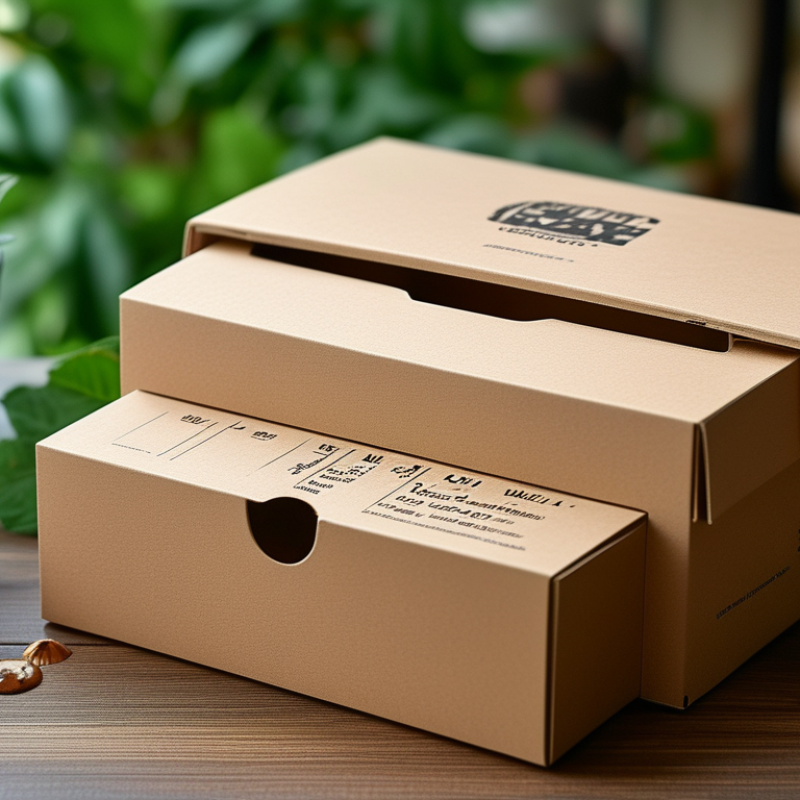
Choosing the right custom paper box for your business starts with understanding your specific needs. According to a recent industry report, 70% of consumers believe packaging affects their purchasing decisions. The right box not only protects your products but also enhances brand visibility. Using the right materials and designs can significantly influence customer perception and retention.
When selecting a custom paper box, consider the size, shape, and material. A study by Smithers Pira shows that sustainable packaging will be crucial for 75% of buyers by 2025. Eco-friendly options can appeal to a broader audience and align with consumer values. For example, consider using recycled paper or biodegradable materials for your boxes.
Tip: Before finalizing your design, test different prototypes. Customer feedback on your packaging can reveal what resonates most. It's essential to be flexible and willing to adjust your choices based on this input.
Another point to consider is your budget. Custom paper boxes can vary widely in price. While it's tempting to go for the cheapest option, quality matters. Poor packaging can lead to product damage and customer dissatisfaction. Maintaining a balance between cost and quality is key to your long-term success.
When selecting custom paper boxes for your business, consider the many types available in the market. Rigid boxes provide sturdy protection and an elegant presentation, making them suitable for luxury goods. A report from Smithers Pira states the rigid box segment accounts for nearly 14% of the custom box market. This type can enhance your product's perceived value, though it may come at a higher cost.
Another popular option is folding boxes. These are lightweight and cost-effective, making them ideal for e-commerce brands. Data from the Freedonia Group shows that the demand for folding cartons is expected to grow by 3.5% annually. Their versatility allows for various designs, but they might lack the sturdiness of rigid boxes. Depending on your product's nature, you might need to rethink what is essential for your packaging.
Lastly, consider eco-friendly paper boxes. Sustainability has become crucial for consumers. A Nielsen report indicates that 73% of global consumers would change their consumption habits to reduce environmental impact. Eco-friendly boxes can align with your brand values while attracting a conscious customer base. The challenge lies in balancing cost and sustainability when selecting materials and designs.
Choosing the right custom paper box can significantly impact your business's packaging strategy. Understanding key factors is crucial. You need to consider size, design, and functionality. The box should fit your product perfectly. A mismatched size can lead to damage during transport.
Material is another critical element. Selecting the right paper type affects durability. Thicker paper provides more protection but can increase costs. Balance between cost and quality is essential. Conduct a test by ordering samples first. This step ensures the material aligns with your product's needs.
Tip: Always consider the unboxing experience. A well-designed box can create excitement for your customers. Reflect on how your packaging can enhance brand identity.
Another aspect is cost-effectiveness. Custom boxes can vary in price. Evaluate suppliers and compare options. It's tempting to go for the cheapest choice, but this may compromise quality. Aim for boxes that offer the best value. Sometimes, spending more upfront leads to better long-term savings due to fewer returns or damages.
Tip: Keep sustainability in mind. Eco-friendly materials appeal to conscious consumers. Reflect on how your choices align with your brand values and consumer expectations.
When considering custom paper box production, assessing cost and budget is crucial. The average cost of custom paper boxes can vary widely. Industry reports suggest that prices can range from $0.50 to $5.00 per box, depending on size, material, and print options. Therefore, understanding your business needs is essential before diving into production plans.
Budgeting should reflect your brand's goals. Determine how many boxes you need annually and factor in potential shipping costs. According to a recent survey, around 60% of small businesses underestimated packaging costs, leading to budget shortfalls. Allocating a proper budget helps avoid miscalculations. Include a buffer for unexpected expenses.
Tips: Choose a reputable supplier who understands your requirements. Look for manufacturers with transparent pricing models to avoid hidden fees. Also, consider bulk ordering to reduce costs. Be mindful of your design; intricate designs may increase production costs but can enhance customer perception. Reflect on whether the added expense aligns with your overall branding strategy.
When collaborating with custom box manufacturers, communication is key. Clearly express your needs and expectations. Share visual references to convey your design vision. This can prevent misunderstandings and ensure you receive the right product.
One common mistake is neglecting the details. Consider factors like material, size, and printing techniques. A precise specification can save time and minimize errors. Review prototypes diligently. Don’t hesitate to request adjustments if something doesn’t meet your expectations.
Also, establish a timeline for production. This helps manage both your expectations and those of the manufacturer. Frequent check-ins can keep the project on track. Be open to their suggestions as well; they have valuable experience that could enhance your product.
| Criteria | Details | Importance Level |
|---|---|---|
| Material Type | Choose recyclable materials like Kraft or paperboard. | High |
| Box Size | Consider the dimensions of the product for a perfect fit. | Medium |
| Printing Options | Evaluate the range of customization for branding. | High |
| Cost Efficiency | Compare quotes from different manufacturers. | Medium |
| Production Time | Assess the lead time for the production process. | High |
| Minimum Order Quantity | Check if the minimum order fits your business needs. | Medium |
: There are rigid boxes, folding boxes, and eco-friendly options. Each serves different purposes.
Rigid boxes offer sturdy protection and an elegant look. They are suitable for luxury items but can be expensive.
Folding boxes are lightweight and cost-effective, making them great for e-commerce. They are versatile but less sturdy than rigid boxes.
Communicate your needs clearly and share visual references. This helps convey your design vision effectively.
Pay attention to material, size, and printing techniques. Details can prevent costly mistakes down the line.
Many consumers want environmentally friendly options. Eco-friendly boxes can attract conscious customers.
Set a clear timeline for production. Frequent check-ins can keep everything on track and meet your deadlines.
Review prototypes carefully and request adjustments if needed. It’s essential to get it right before full production.
Neglecting small details can lead to problems. Be diligent about specifications to avoid misunderstandings.
Consider materials and designs that align with your budget while being eco-friendly. Reflect on this balance carefully.
Choosing the right Custom Paper Box for your business involves a comprehensive understanding of your unique needs. Start by evaluating the specific requirements of your products, including size, weight, and branding elements. Familiarize yourself with the various types of custom boxes available, such as foldable boxes, rigid boxes, and eco-friendly options, to ensure you select the one that best aligns with your goals.
It's crucial to consider key factors such as design flexibility, durability, and sustainability when making your choice. Additionally, assess your budget to determine the cost-effectiveness of production while maintaining quality. Finally, effective collaboration with custom box manufacturers can significantly enhance the production process, ensuring your Custom Paper Box meets both aesthetic and functional expectations. By following these guidelines, you can make an informed decision that supports your business objectives.

NSW Printing