Choosing the best Carton Packaging in 2026 requires more than comparing prices or selecting attractive colors. Packaging must protect the product, support efficient transport, and communicate quality on a crowded shelf. A carton that looks impressive may still crush during stacking or waste space inside a delivery box.
This guide examines material strength, board thickness, folding styles, printing quality, barrier performance, and end-of-life considerations. It also considers practical details, such as how a carton feels in the hand and whether it opens without tearing. Small details matter. A 2-millimeter fit problem can create unnecessary movement, scuffed products, or higher shipping costs.
Real packaging decisions often involve compromise. Thicker board can improve protection, but it may increase weight and material use. Premium finishes can strengthen visual appeal, yet they may complicate recycling or raise production costs. A perfect carton does not exist. The reliable choice usually comes from testing samples, reviewing supplier capabilities, and measuring performance under realistic conditions.
By 2026, buyers will likely expect clearer material information, responsible sourcing, and consistent quality across production runs. Those expectations should influence the selection process from the beginning. However, sustainability claims deserve careful verification. Certifications, technical data, and documented testing are more dependable than vague environmental language.
The sections ahead offer a practical framework for comparing carton structures, suppliers, and finishing options. They also highlight common mistakes that can weaken an otherwise thoughtful packaging project. Expect useful guidance, but leave room for review. Conditions vary by product, market, and supply chain.
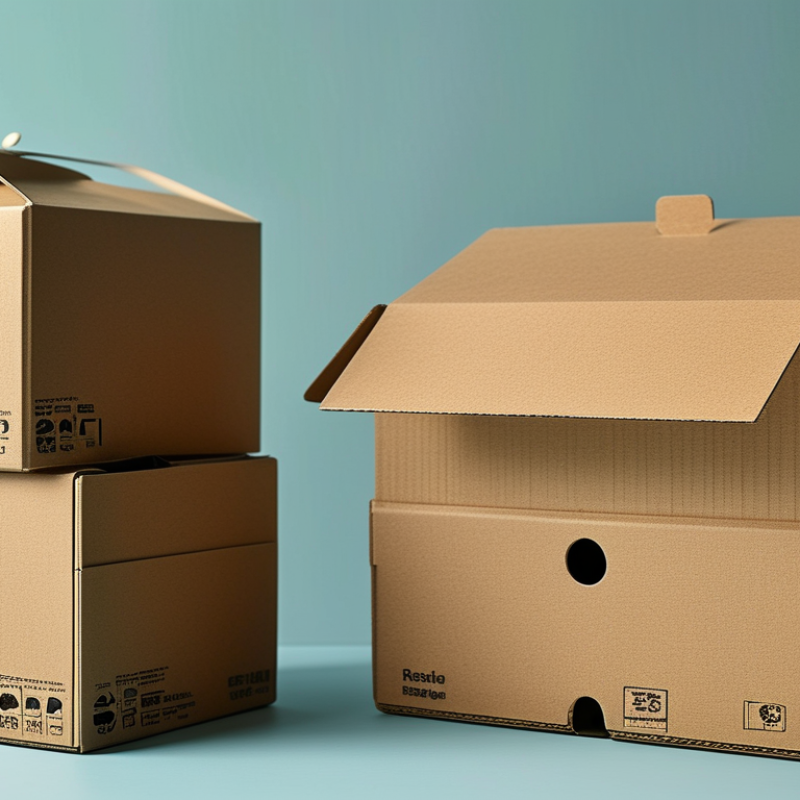
Carton packaging usually means a folded container made from paperboard, while corrugated cartons use fluted layers for added strength. Both protect products during storage, handling, and delivery. A well-designed carton fits closely around its contents. Less empty space means fewer movements, dents, and shipping materials.
In 2026, carton packaging matters because buyers expect protection and responsible material choices. Lightweight board can reduce transport weight, but it must still resist compression. I have seen attractive cartons fail when humidity softened the edges. That mistake is easy to miss. Product weight, stacking height, delivery distance, and storage conditions should guide the board grade. Water-based coatings may support printed surfaces, but mixed materials can complicate recycling.
Choosing the best carton requires more than comparing prices. Check the carton’s dimensions, closure strength, print quality, and fiber content. Ask for test samples. Drop them from realistic heights. Stack filled cartons overnight. Small details matter. A secure tuck flap, clear opening instructions, and readable handling information can improve the customer experience. In 2026, digital production tools can support shorter runs and quicker design changes, reducing unnecessary inventory. However, sustainability claims still need evidence from material suppliers and testing records. I once assumed the most recyclable carton was always the best option. That view was too simple. A recyclable carton that breaks during delivery may create more waste through damaged products and replacements.
How to Choose the Best Carton Packaging in 2026?
The right carton starts with the product, not the printing finish. Folding cartons may use virgin fiberboard, recycled board, kraft board, or coated paperboard. Each option changes stiffness, moisture resistance, appearance, and recycling performance. Smithers’ 2024 market study values the global folding carton market at more than $100 billion, showing strong demand for practical, efficient structures.
For cosmetics or premium dry goods, solid bleached board offers a smooth surface and precise folding. Recycled board can suit everyday products, but its color and fiber consistency may vary. Kraft board adds a natural visual texture and useful tear resistance. For heavier items, a stronger corrugated structure may prevent crushed corners during shipping. A tuck-end carton fits many retail products. An auto-lock base improves packing speed, although it can increase material use. Windows look attractive, but they complicate recycling when plastic film is added. I would question that feature carefully.
Tips: Test the carton with real products. Drop it from shelf height. Check compression after humid storage. Ask suppliers for fiber content, recycling guidance, and migration documentation. CEPI’s 2023 monitoring report recorded an 82.5% paper recycling rate in Europe, but recyclability still depends on coatings, adhesives, and local systems. Lightweighting helps, yet an overly thin carton may split at the glued seam. That mistake is expensive. Use pilot samples before approving the final structure.
Typical carton board basis weights by material and structure
Values show representative basis weights commonly used in carton production. Final material selection should also consider product weight, compression requirements, moisture exposure, printing quality, and shipping conditions.
Carton strength starts with the product’s real shipping conditions. Measure compression resistance, edge strength, and board thickness before comparing prices. A strong carton should support stacked weight without crushing its corners. Test samples under pressure, not only on a clean warehouse table. Add vibration and drop tests that reflect actual handling. A carton may survive one drop and fail after ten minutes of shaking. Moisture matters too. Cold storage, rain, or humid warehouses can weaken paper fibers quickly.
Protection also depends on product fit. Leave enough space for cushioning, but avoid large empty areas. Excess space allows movement and increases impact damage. Check whether the product touches the carton walls during a controlled drop. Sharp edges may need molded inserts or folded paper supports. Measure the packed carton, not just the product. Small dimensional changes can affect storage, shipping fees, and pallet stability.
Reliable evaluation requires records. Note the carton grade, dimensions, closure method, test results, and failure points. Ask for consistent material specifications from the supplier. Repeat tests with several samples because one perfect carton proves very little. I once saw a carton pass a compression test but split near its glued seam during transport simulation. That result was inconvenient, but useful. It showed that strength alone does not guarantee protection. Recheck the design when the product, climate, or delivery route changes.
How to Choose the Best Carton Packaging in 2026?
Choosing carton packaging in 2026 requires comparing evidence, not green language. Eurostat reported an 82.5% recycling rate for paper and cardboard packaging in the European Union in 2022. That figure measures recycling, not every carton. Recycled-fiber board may still fail when coatings, adhesives, or oversized panels complicate sorting. Ask suppliers for fiber content, recycled content, mill certifications, and recovery instructions. Measure the trade-offs.
Printing affects both appearance and resource use. The 2024 Smithers report, The Future of Digital Print for Packaging to 2028, identifies continued growth in packaging digital print. It links growth to short runs and variable versions. Digital printing can reduce plates and setup waste for limited campaigns. Flexographic printing may remain more efficient for long runs. Compare ink coverage, wash-up waste, drying energy, and color consistency on the actual board. Request a press proof, not only a screen image.
Customization should improve handling, not merely decorate the box. Record product dimensions, compression needs, opening force, and warehouse stacking height. Use transit-test data before approving a complex structure. A smaller footprint can reduce material, but weak corners may increase damage and returns. A clever opening feature may impress buyers, yet slow packing. The first preferred design can be wrong. Test the carton filled, stacked, dropped, and opened repeatedly. Some assumptions will fail. Revise the specification when measurements disagree with the original concept.
| Carton option | Typical fiber composition | Sustainability profile | Printing quality | Suitable printing methods | Customization potential | Moisture and strength performance | Relative cost |
|---|---|---|---|---|---|---|---|
| Uncoated kraft corrugated carton | Usually made with recycled liner and fluting; recycled content varies by grade and supplier. | Widely recyclable where corrugated-paper collection exists. Avoid excessive plastic lamination and wet contamination. | Good for simple graphics, text, and one- to three-color designs; the brown surface reduces color brightness. | Flexographic printing, digital inkjet, and pre-printed liner applications. | Die-cut shapes, handles, inserts, partitions, and standard structural styles. | Good compression strength; limited protection from direct water or grease without an added barrier. | Low |
| White-top corrugated carton | Recycled or virgin-fiber corrugated structure with a white outer liner; composition depends on the selected grade. | Generally recyclable through corrugated-paper systems. A coated or laminated surface may affect recyclability. | Better contrast and color consistency than brown kraft board; suitable for retail-facing graphics. | Flexography, digital printing, litho-laminated printing, and spot-color printing. | Custom dimensions, die cuts, tear strips, windows, inserts, and multi-panel artwork. | Higher visual quality and reliable stacking strength; standard board has limited moisture resistance. | Medium |
| Recycled folding carton board | Predominantly recycled paperboard; exact recycled content should be confirmed in the product specification. | Paper-based and commonly recyclable. Recyclability can be reduced by plastic film, foil, heavy coatings, or product contamination. | Good to very good for standard retail graphics, especially on a coated white surface. | Offset lithography, digital printing, flexography, and aqueous coating. | Broad range of tuck-end, sleeve, window, hanger, divider, and locking structures. | Suitable for lightweight dry products; less resistant to crushing and moisture than corrugated board. | Low to medium |
| Virgin-fiber folding carton board | Primarily virgin bleached paperboard, often selected for smoothness, stiffness, and print consistency. | Fiber-based and often recyclable, subject to local collection rules and the final coating or embellishment system. | Very good color reproduction, fine details, gradients, and photographic images. | Offset lithography, digital printing, special-color printing, embossing, and foil stamping. | Excellent for premium structures, shaped windows, tactile finishes, inserts, and complex die cuts. | Smooth, stiff, and dimensionally consistent; generally intended for dry products unless barrier-treated. | Medium to high |
| Coated or barrier-treated paper carton | Paperboard with a mineral, aqueous, dispersion, wax, or polymer-based barrier; the coating chemistry is specification-dependent. | Barrier coatings may improve product protection but can complicate recycling. Verify acceptance with the intended recycling system. | Good to very good, depending on surface smoothness and coating compatibility. | Offset, flexographic, digital, and specialty coating processes. | Custom barriers, grease resistance, moisture resistance, windows, seals, and structural features. | Improved resistance to grease, moisture, or oxygen compared with untreated board; performance varies by barrier type. | Medium to high |
| Digital-print short-run carton | Can use folding carton or corrugated board; fiber content depends on the chosen substrate. | Reduces the need for printing plates and can minimize overproduction for small batches; substrate and ink system still determine end-of-life options. | Consistent full-color output with variable data and versioned artwork; surface limitations depend on the board. | Digital toner or inkjet printing, usually with optional aqueous or protective finishing. | Excellent for prototypes, seasonal designs, personalized packaging, and multiple SKUs. | Performance is determined by the selected carton material and construction rather than the digital process alone. | Medium for short runs |
Selecting a reliable carton packaging supplier requires more than comparing prices. Review their production experience, quality controls, material sources, and delivery records. Ask for recent samples with matching board thickness and printing requirements. A dependable supplier should explain tolerances clearly, not promise perfection without evidence. Request a factory audit report, test data, and a written replacement policy for damaged cartons.
The final design must protect the product and support efficient packing. Check box dimensions with the actual product, inserts, labels, and shipping space. Test compression, stacking, moisture exposure, and opening performance before approval. Pay attention to folding accuracy around corners. A carton may look attractive on screen but fail during warehouse handling. I once underestimated a small crease near a closure panel; repeated opening weakened the structure. That mistake changed my approval process.
Tips: Use a physical prototype, not only digital artwork. Confirm color references under warehouse lighting. Measure packed cartons on a pallet. Ask the supplier to record production samples. Leave a small tolerance for material variation. Keep artwork, specifications, and approval dates in one document. If communication feels unclear before production, it rarely improves afterward. Review the design with packing staff, because practical feedback can reveal problems that engineers miss.
Carton packaging usually means a folded container made from paperboard. Corrugated cartons add fluted layers for greater strength. Both protect products during storage, handling, and delivery.
Buyers expect reliable protection and responsible material choices. Lightweight board can reduce transport weight, but it must resist compression. A lighter carton is not automatically better.
Measure the packed product, not only the product itself. Leave room for cushioning, but avoid large empty spaces. Extra movement can cause dents during delivery.
Test compression resistance, edge strength, and board thickness. Add realistic drop and vibration tests. One drop is not enough. Shake samples for several minutes.
Rain, cold storage, and humid warehouses can weaken paper fibers. Softened edges may collapse under stacked weight. Inspect cartons after exposure, not only before it.
A secure tuck flap can prevent accidental opening. Folded paper supports may protect sharp product edges. The carton should fit closely around its contents.
Stack filled cartons overnight and record damaged corners. Check glued seams after transport simulation. I once saw a carton pass compression testing, then split at its seam.
Record the carton grade, dimensions, closure method, test results, and failure points. Repeat tests with several samples. One perfect carton proves very little.
Not always. A recyclable carton that fails during delivery may create damaged products and replacement waste. My earlier view was too simple. Test the full delivery system.
Choosing the right Carton Packaging in 2026 requires balancing product protection, presentation, sustainability, and cost. Start by understanding how cartons support modern supply chains, retail displays, and customer expectations. Consider materials such as paperboard, corrugated board, or recycled fiber, then select a structure that matches your product’s size, weight, fragility, and storage conditions. Accurate dimensions and smart internal supports can reduce movement, damage, and unnecessary material use.
A strong packaging decision also depends on testing compression strength, resistance to moisture and handling, and overall product fit. Compare recyclable or responsibly sourced materials, printing quality, finishes, opening features, and customization options according to your market and budget. Finally, evaluate suppliers based on manufacturing consistency, communication, sampling, quality control, production capacity, and delivery reliability. By reviewing these factors together, you can finalize carton packaging that protects the product, communicates value, supports sustainability goals, and performs effectively throughout its lifecycle.

NSW Printing