Choosing the right Folding Box for your packaging needs can be challenging. Insights from industry expert John Stevens highlight this. He states, "The perfect Folding Box enhances both product protection and presentation." This emphasizes the dual role of Folding Boxes in packaging solutions.
A well-selected Folding Box not only protects your product but also appeals to customers. Consider materials, sizes, and designs. Each element impacts branding and user experience. For instance, a sturdy box reflects quality, while an eye-catching design attracts attention. It’s essential to balance functionality with aesthetics.
Many overlook how their choices affect the environment. Sustainable materials are increasingly important. Consumers prefer brands that prioritize eco-friendliness. Therefore, think critically about your options. Reflect on what aspects of a Folding Box truly align with your company values and consumer expectations. Your choice of Folding Box shapes your brand identity.
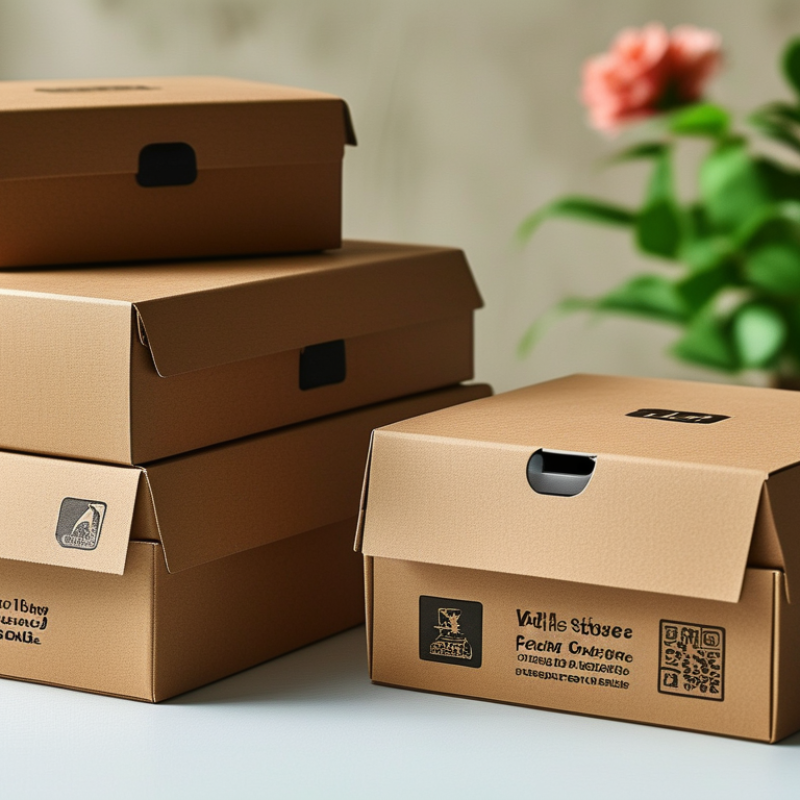
Understanding the Different Types of Folding Boxes Available
When choosing a folding box, it’s essential to understand the various types available. Folding boxes come in several forms, including tuck-top, reverse tuck, and auto-bottom styles. Each type serves specific purposes and has unique design characteristics. For instance, auto-bottom boxes provide quick assembly and security, making them popular in the food industry. According to a recent report by Smithers Pira, the demand for folding boxes is predicted to grow by 3.6% annually through 2025. This growth highlights their versatility in packaging.
Selecting the right folding box involves considering your product's requirements. Are you packaging delicate items like glassware? A sturdier material with cushioning might be necessary. If your product is lightweight, a simple tuck-top box may suffice. Remember to factor in branding, as custom options can enhance shelf appeal.
Tips: Always request samples before finalizing your order. This helps you assess the box's durability and appearance. Consider the environmental impact too. Many consumers prefer eco-friendly packaging. By exploring various types of folding boxes, you align your products with market expectations while ensuring safety and aesthetics.
Assessing Your Packaging Requirements for Optimal Box Selection
When assessing your packaging requirements, it's essential to start with the product. Understand its dimensions and weight. A box that is too large can lead to damage. A snug fit is more protective. This ensures that your items arrive in perfect condition, minimizing returns and customer complaints.
Next, consider the materials. Your choice can affect durability and appearance. Cardboard options vary in strength. If the box will hold heavy products, opt for thicker material. Check if the box design allows for branding. Customization can enhance your brand’s identity.
Evaluate the environmental impact of your packaging. Are the materials recyclable? Eco-friendly options can attract more customers. However, balancing sustainability with functionality is crucial. Sometimes, a more robust box is necessary, even if it’s less eco-friendly. Keep questioning your packaging choices to optimize for both performance and environmental responsibility.
How to Choose the Best Folding Box for Your Packaging Needs?
| Dimension |
Material Type |
Weight Capacity (lbs) |
Ideal Use Case |
| 12" x 9" x 4" |
Kraft Paper |
15 |
E-commerce shipping |
| 10" x 10" x 10" |
Corrugated Cardboard |
25 |
Retail product packaging |
| 8" x 6" x 4" |
Recycled Paper |
10 |
Gift packaging |
| 14" x 10" x 5" |
Foldable Box Board |
20 |
Food packaging |
| 16" x 12" x 8" |
Plastic Coated Board |
30 |
Cosmetics and luxury goods |
Key Materials Used in Folding Boxes and Their Benefits
When selecting a folding box, materials play a crucial role in meeting your packaging needs. Cardboard is one of the most commonly used materials. It's lightweight yet sturdy, making it ideal for shipping. A 2021 industry report indicated that approximately 50% of all packaging products are made from paperboard. This is due to its recyclable nature and cost-effectiveness. Brands are increasingly prioritizing sustainability, and cardboard meets this demand.
Another popular choice is corrugated fiberboard. It offers greater durability and protection for fragile items. This type of material is well-suited for e-commerce. According to Statista, the corrugated packaging market is projected to reach 285 billion USD by 2026. This highlights its growing importance in logistics. However, it can sometimes be more expensive than regular cardboard.
Plastic folding boxes are also gaining traction. They provide waterproof qualities and are reusable, appealing for long-term use. Yet, they raise concerns about their environmental impact. Many companies face challenges balancing durability with sustainability. It’s vital to consider the lifecycle of the packaging before making a decision. Each material has its pros and cons, necessitating a thoughtful selection process.
Considerations for Size, Shape, and Design in Folding Box Choice
Choosing the right folding box involves careful consideration of
size, shape, and
design. A well-selected box enhances the product’s appeal
and protection.
Size is essential. The box should fit the product snugly.
Too much space can lead to damage. Not enough space may cause the product to be cramped.
Measure your product accurately to ensure a perfect fit.
Shape influences customer perception. A unique box shape can stand out on shelves, attracting attention.
However, it should also cater to functionality. It is vital to balance creativity with practicality.
Experimenting with different shapes can lead to innovative
packaging solutions. Keep your brand's identity in mind when selecting a shape.
Design elements like color and graphics
play a crucial role. These features reflect your brand’s essence. Ensure they align with your target
audience. A striking design can entice customers, but be cautious with complex designs. Clutter can
confuse the message. Aim for clarity and a strong visual impact.
Tip: Test your box design with focus groups.
Getting feedback is invaluable. It helps refine your approach and ensure that the box resonates with potential customers.
Tip: Always consider sustainability.
Eco-friendly materials enhance your brand image. They attract conscious consumers and help the environment too.
Reviewing your choices helps identify areas for improvement. Don't hesitate to adapt.
Packaging is a vital part of your product strategy.
Staying flexible can lead to better outcomes.
Evaluating Costs and Sustainability in Folding Box Selection
When selecting a folding box for packaging, sustainability and cost are crucial factors. According to the "Sustainable Packaging Coalition," 72% of consumers prefer brands that implement sustainable packaging. This trend is driving companies to choose materials that reduce environmental impact while maintaining cost-effectiveness. For instance, recycled paperboard can significantly lower carbon footprints compared to traditional materials.
Evaluating the long-term costs is equally important. While biodegradable materials may have higher upfront costs, they often save money in waste disposal and enhance brand reputation. A study by "Smithers Pira" indicated that the global sustainable packaging market will reach $500 billion by 2028. It highlights the necessity for businesses to adapt to these changes.
Tip: Always request data sheets from suppliers. Understanding material sources and recycling capabilities helps improve decision-making. Another key consideration is the box's design. Engage with packaging engineers to optimize designs for weight and volume. This can lead to reduced shipping costs and waste. Balancing cost and sustainability is complex, yet necessary today.
FAQS
: Folding boxes include tuck-top, reverse tuck, and auto-bottom styles. Each serves specific purposes.
Consider the product's dimensions and weight. A snug fit protects items from damage.
Samples help assess durability and appearance. They ensure the boxes meet your expectations.
Material choice influences durability and appearance. Thicker cardboard is necessary for heavier items.
Many consumers prefer eco-friendly packaging. Balancing sustainability with functionality is essential.
Customized boxes improve brand identity. They also enhance shelf appeal for your products.
Long-term costs matter. Biodegradable materials may save money in waste disposal over time.
Explore various folding box types and consider consumer preferences for sustainable options.
Continuous evaluation helps optimize performance and environmental impact of packaging materials.
Engage with packaging engineers to optimize weight and volume. This minimizes shipping expenses.
Conclusion
When selecting the best folding box for your packaging needs, it’s essential to understand the various types available, including their respective designs and functionalities. Assessing your specific packaging requirements is crucial for optimal box selection; factors such as the product size, protection requirements, and intended use should be considered.
In addition to these considerations, the materials used in folding boxes play a significant role in determining their efficiency and sustainability. Common materials like cardboard and paperboard offer distinct benefits, including lightweight properties and ease of printing. Lastly, evaluating the costs while keeping sustainability in mind will ensure that you choose a folding box that aligns with both your budget and eco-friendly practices. Overall, careful consideration of size, shape, design, and material will aid in selecting the best folding box for your needs.

 NSW Printing