Choosing the right packaging solution is vital for many businesses. A Rigid Shoulder Box stands out as an excellent option for various products. Its sturdy structure provides protection and enhances presentation. However, selecting the best one can be challenging, especially with so many options available.
Understanding your product's needs is crucial. Each Rigid Shoulder Box has unique features that cater to different items. Factors such as size, material, and design play a significant role. It’s essential to reflect on how these elements align with your brand image. This decision impacts not only your product’s safety but also customer perception.
Consider your budget as well. High-quality boxes can be more costly but may offer better durability. Sometimes cheaper options fail to meet expectations. Reflecting on past experiences with packaging will inform your choices. Evaluating reliability and customer satisfaction guarantees a more favorable outcome for your business.
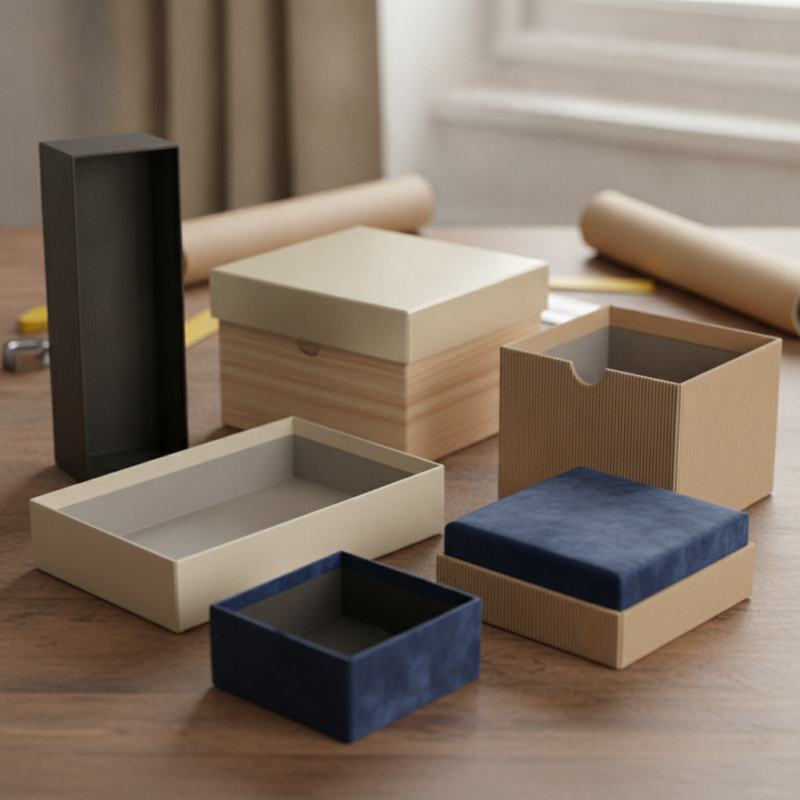
Rigid shoulder boxes serve a crucial role in the packaging industry. They provide sturdy yet elegant protection for various products. These boxes are often used for luxury items, cosmetics, and electronics, making them popular among brands that value presentation. The design creates a high-end feel, enhancing the perceived value of the item inside.
Understanding the purpose of rigid shoulder boxes helps in making informed choices. They not only protect products during transit but also attract customers' attention on retail shelves. The visual appeal of these boxes can influence purchasing decisions. Different styles and colors can cater to specific audiences, emphasizing the importance of thoughtful design.
One might wonder how to balance aesthetics with functionality. This is where careful consideration comes into play. Choosing the right materials is critical. One needs to ensure that the box is sturdy yet visually appealing. Experimenting with different finishes can create a unique look while maintaining the necessary durability. Lack of attention to detail can result in subpar packaging that fails to impress. Making mistakes in design can lead to higher costs in the long run.
Choosing the right materials for a rigid shoulder box is crucial. The construction of these boxes can influence durability and aesthetic appeal. Common materials include paperboard, cardboard, and wood. Each brings unique qualities to a box. Paperboard offers a lightweight option, making it an excellent choice for many uses.
When selecting a material, think about the purpose of your box. If it needs to protect fragile items, sturdier materials like wood or reinforced cardboard might be ideal. For items that simply need presentation, high-quality paperboard could suffice.
One important tip is to assess the weight and value of the contents. Heavier items require stronger construction. Consider how the box will be handled. Boxes expected to endure rough treatment should be made from durable materials. Reflect on the manufacturing process, as some choices impact the environment. Always choose sustainable options when possible.
When choosing a rigid shoulder box, design and aesthetics play crucial roles. A well-thought-out design not only makes a strong statement but also serves practical purposes. Consider the box's shape and size. These elements should reflect the contents inside. A visually appealing box can enhance the overall experience for customers.
The material used is equally significant. Quality materials can elevate the look and feel of the box. Textures, colors, and finishes contribute to the visual impact. However, it's essential to strike a balance. An overly elaborate design may overshadow the product. Understanding your target audience is key. Their preferences can guide your choices, helping you create a more resonant design.
Evaluate the box's functionality alongside its aesthetics. While a stunning design may attract attention, it must also be practical. Look for flaws in your design process. Are there areas lacking in practicality? Reflect on these aspects. A successful box marries form and function, offering both beauty and usefulness. Remember, the right design can significantly influence customer perception and satisfaction.
When selecting a rigid shoulder box, evaluating durability is crucial. Look for materials that withstand impacts and resist wear. High-quality cardboard or rigid paper often provides that strength. Check the box's construction. Solid corners and seams are good indicators of durability. These details matter; they contribute to the box's overall ability to protect its contents.
Functionality is equally important. Consider how you will use the box. Some designs offer added features like magnetic closures or custom inserts. These can enhance usability significantly. A well-designed shoulder box should not only protect items but also facilitate easy access. Reflect on your specific needs and preferences. Sometimes, a box may look attractive but fail in practical terms, so don’t shy away from testing a few options.
When considering the budget for a rigid shoulder box, start by assessing the materials. Quality influences cost significantly. Cardboard, paperboard, and specialty materials all have varying price points. A more durable option may increase upfront costs but can enhance the box’s protection and longevity. Think about how much protection is needed for the intended contents.
Another factor is quantity. Purchasing in bulk often leads to discounts. However, ensure you’ll use the boxes consistently. Over-ordering can lead to wasted resources. Analyze your storage space and costs associated with holding excess inventory. This aspect is frequently overlooked yet essential for maintaining a healthy budget.
Lastly, consider the design and custom features. Intricate designs or custom shapes can elevate costs. Balance between aesthetic appeal and functionality. Reflect on whether the added costs provide real value. Sometimes, a simpler design can convey your brand effectively while keeping expenses manageable. Rigid shoulder boxes should align with your budget while still meeting your business goals.
: Rigid shoulder boxes are used for packaging luxury items, cosmetics, and electronics.
They create a high-end feel, increasing the perceived value of the product inside.
It's important to think about durability, aesthetics, and the nature of the item being packaged.
Common materials include paperboard, cardboard, and wood, each offering different qualities.
Heavier items require stronger materials to ensure protection during transit.
Yes, a visually appealing design attracts customers and influences their buying choices.
Lack of attention to detail can lead to subpar packaging and higher costs later.
Yes, always consider sustainable materials when making your choice.
Finding a balance is crucial; both aspects should work together effectively.
Using inadequate materials can result in damaged products and dissatisfied customers.
When choosing the best Rigid Shoulder Box for packaging needs, it's essential to first understand its purpose, as these boxes are tailored to offer both functionality and style. The choice of materials used in their construction can significantly affect the box's durability and appearance, making it crucial to select high-quality options that suit the intended use.
Design and aesthetic factors also play a vital role; the right visuals can enhance product appeal. Additionally, assessing the durability and functionality of a Rigid Shoulder Box ensures that it can withstand the rigors of shipping and handling while maintaining its structural integrity. Finally, cost considerations are important for budgeting, as they can vary widely based on customization and material quality. By evaluating these factors, one can make an informed decision when selecting a Rigid Shoulder Box that aligns with both budget and branding goals.

NSW Printing