In modern design, the "Sliding Box" has gained popularity for its versatility and functionality. This tool can enhance user experience, making interactions smooth and engaging. When appropriately used, a Sliding Box can elevate any project, adding both practical storage and aesthetic appeal.
However, utilizing a Sliding Box effectively requires careful consideration. It's not just about functionality; design plays a crucial role. Opting for the right materials and colors can impact the overall look. Balancing form and function is essential. Many designers struggle with this, ending up with boxes that don’t blend well with their surroundings or user expectations.
Moreover, improper use can lead to usability issues. A Sliding Box should be intuitive and easy to use. If users find it challenging to operate, it defeats its purpose. Reflecting on past projects where Sliding Boxes were underwhelming can provide valuable insights. Striving for improvement is a continuous process. Embracing feedback and seeking inspiration can lead to more innovative designs.
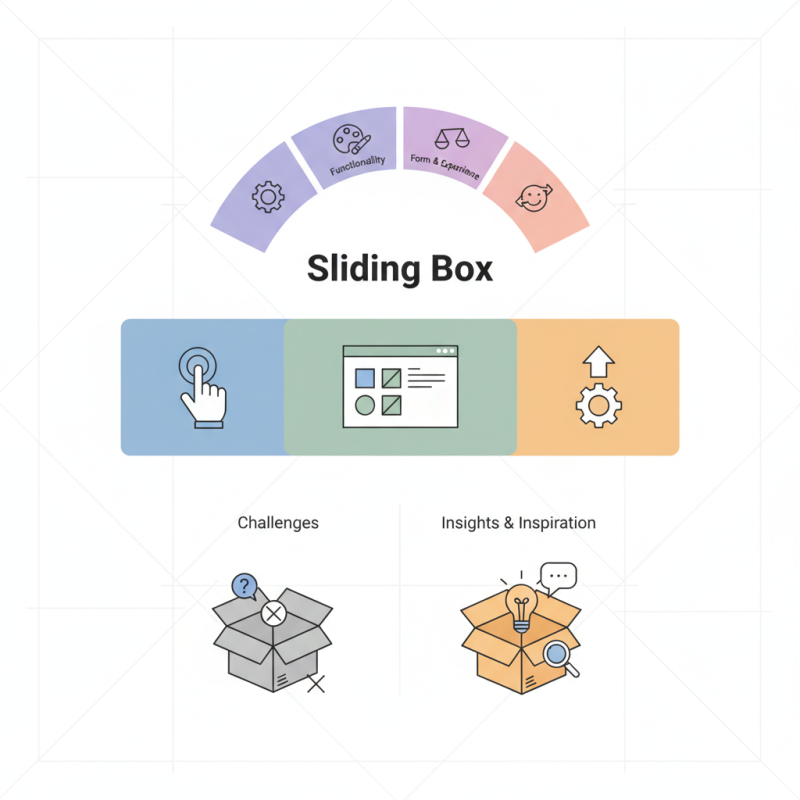
Sliding boxes are a versatile tool in design projects. They provide an interactive experience, engaging users effectively. Studies show that interactive elements can increase user engagement rates by up to 50%. This means designers must understand how to integrate sliding boxes seamlessly into their projects.
Understanding their functionality is crucial. A sliding box can help showcase multiple items in a compact format. However, misusing them can lead to frustration. If the content is not intuitive, users may struggle to interact. Reports indicate that 70% of users abandon websites due to poor navigation. Clear labels and logical flow are essential for usability.
Designers should also consider the aesthetic aspect. A visually appealing sliding box enhances overall design. Yet, excessive animations might distract users. Balance is key in creating an effective interface. Real-time feedback during the design process can lead to improvements over time. Testing with real users can reveal unforeseen issues. Monitoring user interactions provides valuable insights for refinement.
| Tip | Description | Use Case | Considerations |
|---|---|---|---|
| Keep It Simple | Use minimal text and clear visuals to convey messages. | Landing Pages | Avoid overcrowding the box. |
| Responsive Design | Ensure sliding boxes adapt to various screen sizes. | Mobile Applications | Test across multiple devices. |
| Engaging Animations | Use subtle animations to attract attention without distracting. | Product Showcases | Ensure animations are smooth and quick. |
| Consistent Branding | Align the design with your overall brand style. | Website Banners | Maintain brand colors and fonts. |
| Clear Call-to-Action | Make action items prominent and appealing to users. | Email Campaigns | Use contrasting colors for buttons. |
: A sliding box enhances engagement by showcasing information dynamically, improving user experience.
The design should fit seamlessly with the overall layout. Keep it simple and visually appealing.
Users prefer quick, digestible information. Lengthy content can overwhelm and disengage them.
Slow-loading sliding boxes frustrate users. Aim for fast load times to retain attention.
Use visual cues and test functionality regularly. Make adjustments based on user feedback.
Overcomplicating the design and ignoring accessibility can limit effectiveness and user satisfaction.
Users abandon sites that take too long to load, especially on mobile devices. Aim for under three seconds.
A/B testing helps identify what works well and what needs improvement. It's essential for enhancing usability.
Ignoring accessibility issues limits your audience. Ensuring all users can navigate improves overall effectiveness.
User feedback highlights areas for improvement. Don’t hesitate to make iterative changes based on it.
The article "Top Tips for Using a Sliding Box in Your Projects" delves into the fundamental aspects of incorporating Sliding Boxes into design projects. It begins by outlining the basic principles of Sliding Boxes, highlighting their role in enhancing user experience. The key benefits of using Sliding Boxes include improved navigation and better content organization, which can make a website more engaging and user-friendly.
The article provides a step-by-step guide for effectively implementing Sliding Boxes, ensuring designers can integrate them seamlessly into their projects. Additionally, it discusses best practices for customizing Sliding Boxes to meet specific design needs while avoiding common pitfalls that can detract from their effectiveness. By following these guidelines, designers can leverage the full potential of Sliding Boxes to create more interactive and appealing digital experiences.

 NSW Printing