What Are the Top Sliding Box Types in 2026?

Time:2026-10-03 Author:Mason
0%

In 2026, Sliding Box packaging is becoming more than a protective container. It is shaping product presentation, opening experiences, and brand memory. Retailers and manufacturers are comparing drawer-style boxes, rigid sliding boxes, two-piece sleeves, magnetic designs, and recyclable paperboard formats. Each type serves a different purpose. Some protect delicate items. Others create a smoother unboxing moment.

Packaging consultant Lisa McTigue Pierce offers a useful standard: “Good packaging earns attention before it earns loyalty.” This idea matters when comparing modern Sliding Box designs. A premium drawer box may use thick greyboard, wrapped paper, and a fabric pull tab. A sustainable paperboard version may reduce material weight without feeling weak. Small details matter. A tight fit prevents movement. Clean edges signal quality. Quiet opening feels expensive.

This overview examines the top Sliding Box types expected to attract attention in 2026. It considers material choices, production costs, product protection, customization, storage, and recycling potential. Practical testing remains essential. A box can look impressive in a product photograph but fail during shipping. That happens more often than brands admit. Some magnetic closures also add unnecessary material. A recyclable sleeve may perform better.

The strongest option depends on the product, budget, and customer expectations. There is no universal winner. Brand owners should test prototypes, inspect board strength, and measure opening performance before ordering large quantities. Trends can guide decisions, but evidence should lead them.
What Are the Top Sliding Box Types in 2026?

Define Sliding Boxes: Drawer, Matchbox, Rigid, and Corrugated Formats

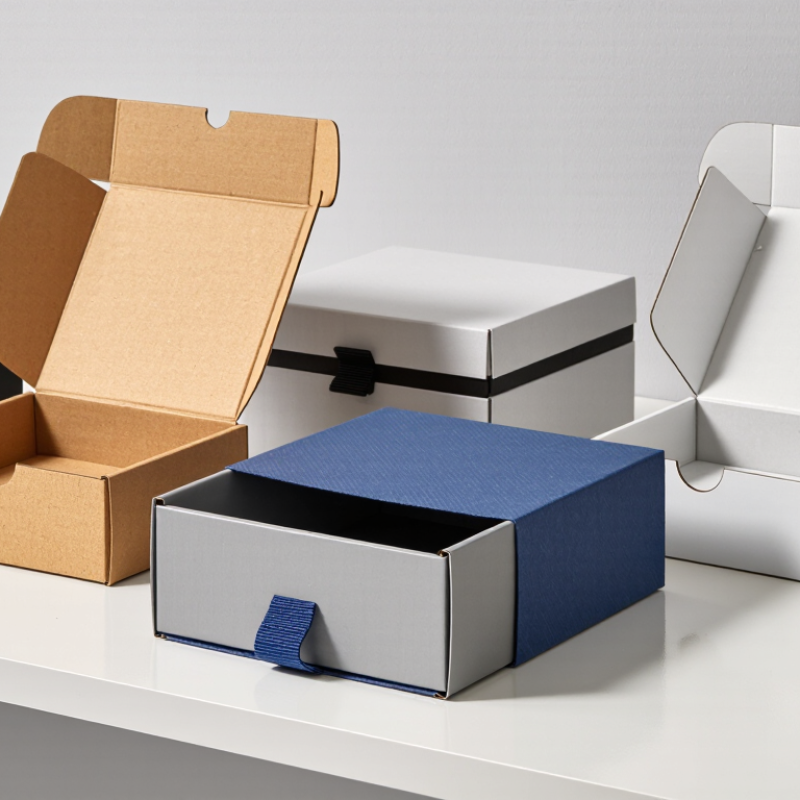
Sliding boxes use a tray that moves inside an outer sleeve. This simple motion creates a controlled opening experience.

In 2026, four common formats stand out: drawer, matchbox, rigid, and corrugated sliding boxes.

Each serves different packaging needs.

Drawer boxes

Drawer boxes usually have a wide front panel and a smooth pull action. They suit cosmetics, stationery, small electronics, and premium gift items.

Matchbox boxes

Matchbox boxes use a compact tray and sleeve, often with a thumb notch or ribbon pull. They are practical for lightweight products and smaller dimensions.

Rigid sliding boxes

Rigid sliding boxes use thick paperboard with strong walls. Their structure feels substantial and protects delicate items during handling.

Corrugated sliding boxes

Corrugated sliding boxes use fluted board, making them lighter and more suitable for shipping. Their visible edges may look less refined, but they absorb impacts better.

Material choice should follow real testing, not appearance alone.

A packaging engineer may check tray friction, corner compression, humidity resistance, and drop performance.

I have seen a beautiful rigid prototype jam after one rough warehouse cycle. The lesson was uncomfortable.

Smooth movement needs accurate scoring and consistent tolerances. Corrugated versions can also warp when stored in damp conditions.

A small sample test helps reveal these weaknesses before production.

Check the product weight, sleeve clearance, opening force, and stacking behavior.

A drawer format may improve presentation, while a corrugated design may reduce shipping risk. The best type depends on use, not fashion.

Compare Material Performance Using FEFCO Corrugated Packaging Data

Sliding box formats are gaining attention in 2026 because their opening action feels simple and controlled. Many designs use FEFCO 04-series folding structures, including sleeve-style and wrap-around constructions. Their performance depends less on appearance than on board selection, crease accuracy, and load direction.

A light E-flute board can create a neat sliding pack for small accessories or printed materials. Its fine flute supports sharp graphics and a smoother inner surface. B-flute offers more cushioning for heavier items, while C-flute provides stronger stacking resistance. Double-wall board may protect dense products during warehouse movement, but it adds bulk. Not every stronger box is better.

FEFCO references help compare construction logic, but they do not replace practical testing. A box with a secure tuck may still jam when the board absorbs moisture. I have seen clean samples lose shape after repeated opening. That detail matters. Test compression, edge crush, vibration, and sliding friction under realistic conditions. Use the same board grade, flute direction, and dimensions for fair comparisons. Small changes can mislead results.

Material choice also affects waste and handling. Recycled fibers may perform differently between suppliers, even under similar grade descriptions. This is where published test values need careful reading. Numbers look precise. Real conditions rarely are. A 2026 sliding box should balance protection, opening comfort, production speed, and material efficiency rather than chase maximum strength alone.

Rank Rigid Drawer Boxes by Premium Packaging Demand and Use Cases

What Are the Top Sliding Box Types in 2026?

Premium packaging demand is favoring rigid drawer boxes with smooth movement and controlled opening resistance. My working ranking places ribbon-pull drawer boxes at the top. They suit cosmetics, jewelry, watches, and compact accessories. A fabric ribbon adds tactile value without requiring complex hardware. The drawer should open evenly, without scraping or sudden release. Small details matter.

Matchbox-style rigid boxes rank closely behind. Their clean silhouette works well for candles, specialty foods, stationery, and personal care sets. A thumb notch improves access, while a snug sleeve protects the inner tray. Dual-compartment drawer boxes follow for curated gift collections. They separate products neatly and support stronger presentation at retail counters. They also need accurate internal spacing. Loose inserts make premium packaging feel cheap.

Custom-fit protective drawers serve fragile or high-value products. Foam, molded pulp, or paperboard inserts can reduce movement during handling. However, insert choices affect recycling and shipping weight. That trade-off deserves more attention in 2026. In practical testing, humidity can change board friction and weaken the drawer’s smooth feel. My judgment is not perfect here. A box that performs well in a showroom may fail in a warehouse. Manufacturers should test opening cycles, compression, surface wear, and temperature changes before approving production. Premium demand is rising, but appearance alone cannot define quality.

Top Sliding Box Types in 2026

Ranked by relative premium-packaging demand and recurring use cases. The index reflects product protection, presentation value, customization potential, and repeat purchasing activity; it is not company market share.

Rigid drawer boxes rank highest in cosmetics, fragrance, jewelry, and gift packaging because they combine a premium unboxing experience with strong structural protection.

Evaluate Kraft Sliding Boxes with Smithers’ 2026 Sustainability Forecasts

What Are the Top Sliding Box Types in 2026?

Kraft sliding boxes are gaining attention as packaging buyers examine 2026 sustainability forecasts. Their paper-based structure offers a warm, tactile surface and easier sorting after use. A drawer-style kraft box can also protect small products without adding complex parts. The inner tray slides smoothly, while the outer sleeve supports printing and stacking.

Material choice still requires careful evaluation. Recycled kraft content can reduce reliance on virgin fiber, but quality may vary between suppliers. Water-based coatings can improve resistance to fingerprints and light moisture. However, some coatings may complicate recycling if they are heavily applied. Ask for fiber certification, recycled content records, and realistic recycling guidance.

Other leading types include rigid sliding boxes, corrugated drawer boxes, and folding paperboard sleeves. Rigid versions feel premium but may use more material and create higher transport weight. Corrugated designs offer better protection for shipping, although their fluted structure can look less refined. Folding sleeves save storage space before assembly. That matters for smaller warehouses.

Forecasts suggest that buyers will measure packaging beyond appearance. They will examine material efficiency, transport volume, recyclability, and supplier transparency. Experience from packaging trials shows that a smooth drawer action can still fail when humidity changes. Small details matter. A slightly loose fit, weak pull tab, or unclear disposal message can reduce the box’s practical value. Sustainability claims should remain measurable, cautious, and open to review.

Choose the Top Type Using PMMI Cost, Automation, and E-Commerce Data

What Are the Top Sliding Box Types in 2026?

Choose the Top Type Using PMMI Cost, Automation, and E-Commerce Data

Sliding boxes are gaining attention in 2026 because they balance shelf appeal, product protection, and efficient packing. Common options include reverse-tuck, straight-line, crash-lock, and auto-bottom designs. Each type answers a different production problem.

PMMI packaging data highlights three practical filters: cost, automation readiness, and distribution demands. Straight-line boxes often support fast machine handling and consistent folding. Crash-lock boxes can reduce manual assembly, but their material use may increase unit costs. For e-commerce, reinforced sleeves and snug sliding structures help limit movement during shipping. That can reduce damage and customer complaints.

Cost is not the whole story. A cheaper box may require more labor. Automation also depends on board stiffness, closure accuracy, and equipment compatibility. In real production, small dimensional changes can create jams. That detail is easy to underestimate. E-commerce testing should include drop tests, vibration checks, and repeated opening trials.

Tips: Compare total pack cost, not only the blank price. Request production samples before choosing equipment. Test the box with your actual product, inserts, and shipping route. A premium structure is not always better. Sometimes, a simpler box performs more reliably.

FAQS

Why are sliding boxes gaining attention in 2026?

Their opening feels simple and controlled. Good performance depends on board choice, crease accuracy, and load direction.

Which board type suits small, lightweight products?

Light flute board suits accessories and printed materials. Its fine structure supports sharp graphics and a smoother inner surface.

When is thicker corrugated board a better choice?

Medium flute adds cushioning for heavier items. Larger flute improves stacking resistance. Double-wall board protects dense products but adds bulk.

Does a stronger box always provide better packaging?

Not always. Excess material increases weight, storage needs, and shipping volume. The best box balances protection and efficiency.

What tests should sliding boxes pass?

Test compression, edge crush, vibration, and sliding friction. Repeat opening cycles under realistic humidity and temperature conditions.

Which rigid drawer box designs suit premium products?

Ribbon-pull drawers suit compact accessories and gift items. Matchbox-style designs fit candles, stationery, and personal care sets.

How can inserts improve drawer box protection?

Foam, molded pulp, or paperboard inserts reduce product movement. They also affect recycling, weight, and shipping cost.

Are kraft sliding boxes automatically sustainable?

No. Recycled fiber content may vary between suppliers. Coatings can improve moisture resistance but may complicate recycling.

What details can make a premium drawer box feel cheap?

Loose inserts, scraping drawers, weak pull tabs, and unclear disposal instructions reduce perceived quality. Small details matter.

How should packaging sustainability claims be evaluated?

Check fiber records, recycled content, transport volume, and recycling guidance. Published numbers look exact, but real conditions rarely are.

Conclusion

In 2026, the Sliding Box remains a versatile packaging format, available in drawer, matchbox, rigid, and corrugated designs. Each type offers different advantages: drawer boxes provide a refined unboxing experience, matchbox styles support compact product presentation, rigid boxes deliver strength and premium appeal, while corrugated formats prioritize lightweight protection and efficient shipping. Comparing material performance through corrugated packaging data highlights the importance of compression strength, recyclability, weight, and adaptability to different products.

Rigid drawer boxes rank highly in premium packaging because they suit cosmetics, gifts, electronics, and specialty goods that require a memorable presentation. Kraft sliding boxes are also gaining attention as sustainability forecasts emphasize renewable fibers, reduced material use, and improved recyclability. However, the best choice depends on cost, automation compatibility, production volume, and e-commerce requirements. Packaging teams should balance appearance with protection, stacking efficiency, fulfillment speed, and total lifecycle value before selecting the most suitable Sliding Box type.

Mason

Mason

Mason is a seasoned marketing professional with a deep expertise in the company's offerings and a passion for driving brand awareness. With a strong background in digital marketing strategies, he has an innate ability to connect with diverse audiences and effectively communicate product benefits.......